
Travel Safety in Europe: Hotels, Emergency Services, Health Insurance & Passports
One of the biggest risks travelers to Europe take is not knowing in advance how to be secure in unfamiliar places and more importantly, if an emergency arises what to do and how to call for help.
Not all Hotels have 24/7 attendants. Do I really need one?
We prefer lodging with a 24-hour front desk whenever possible, especially for first-time visitors to Europe. Having staff available at all hours can be helpful if you encounter an emergency, arrive late, or need assistance outside normal business hours.
Real-world example: While traveling in rural France, we needed urgent medical care late on a Sunday evening. The EMT dispatcher spoke very little English and we spoke very little French. The hotel attendant helped coordinate communication and arrange medical care. Without that assistance, receiving treatment would have been much more difficult.
Why? Because if something goes wrong you want someone onsite that can help you. It may only be a water leak or a clogged toilet that is overflowing, but if you don’t know who to call to get it fixed you will have to live with it until someone comes onsite.
In the case of an emergency, whether medical, fire or police, you want someone that will be able to communicate with you directly and be able to act as an interpreter with the authorities.
Hotel Safety: Inside and Outside
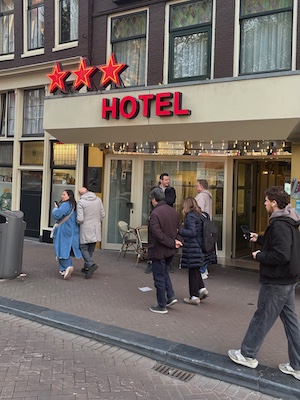
You must make a determination whether the hotel you have selected is safe. Reading reviews may provide some insight. Also, searching the area around the hotel using google street view may also provide clues. Make certain the streets look safe enough to walk at night. Locating your hotel near the transit mode you will be using, such as a metro station, will reduce the amount of time you are on the street and hopefully reduce your exposure to risk.
Review the State Departments recommendations for Lodging Safety website for useful information.
If you are uncertain it may be worthwhile to search for an alternative place to stay.
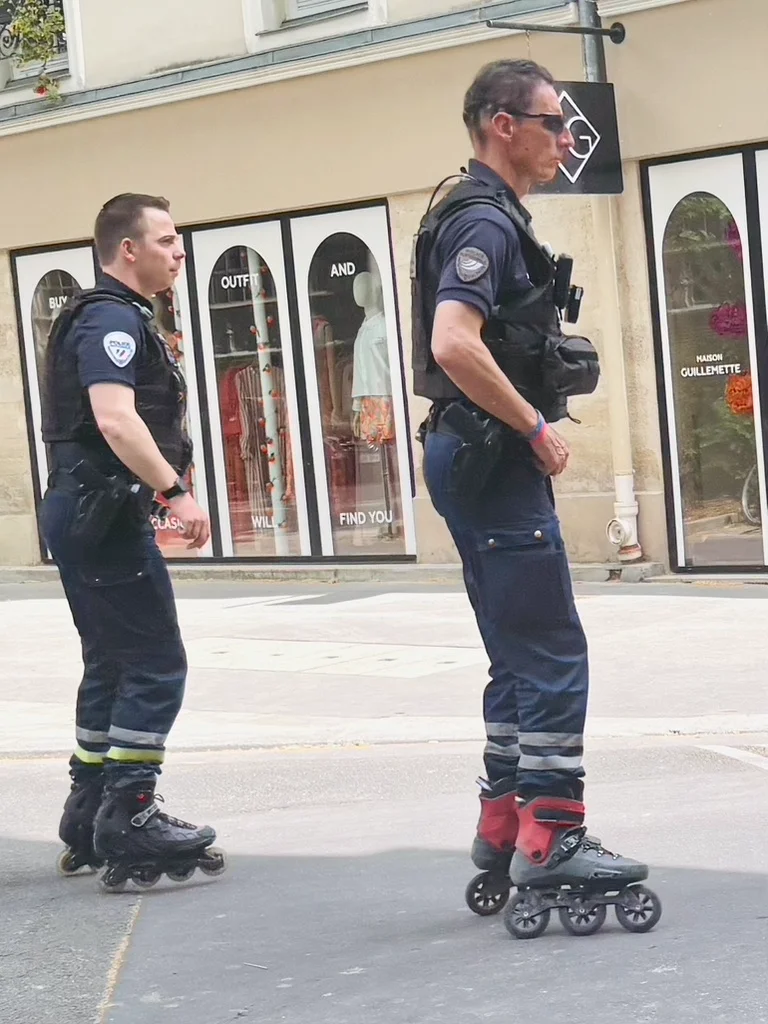
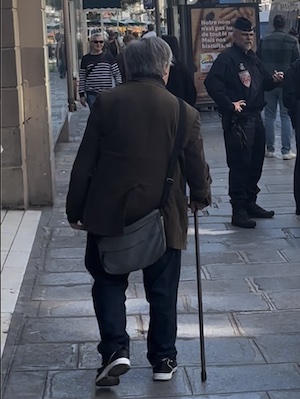
Paris Police patrolling on May Day.
Staying Safe While Getting Around
Personal Safety Tips:
- Stay aware of your surroundings.
- Be cautious when approached by strangers.
- Keep valuables out of sight.
- Avoid displaying large amounts of cash.
- Research neighborhoods before arriving.
- Stay alert in crowded transit stations and tourist areas.
Avoid people coming up to you wanting your attention. Research where your lodging is located to make sure it and the surrounding area is safe. Protect your valuables. Keep things of value such as wallets, phones etc out sight as much as possible. Take precautions wherever you are — to the trained pickpocket you look like a tourist, act like a tourist and sound like a tourist.
Who do I call if I need the police or an ambulance?
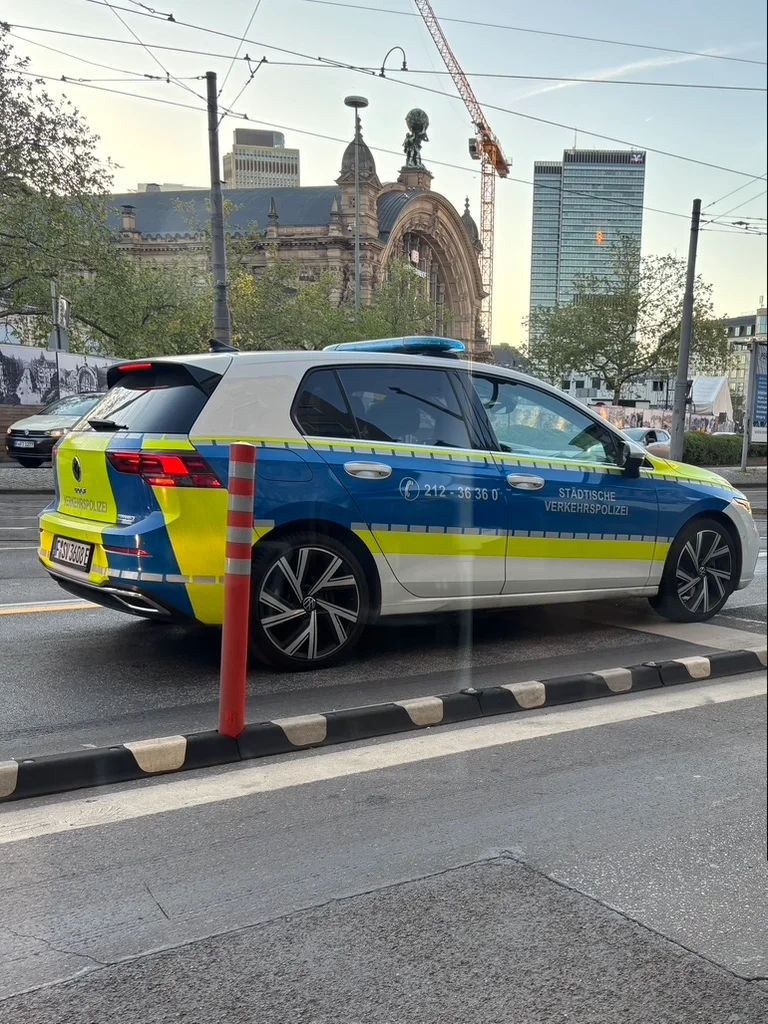
The universal emergency number throughout the European Union is 112. In the United Kingdom, both 999 and 112 connect to emergency services. Emergency dispatch procedures vary by country. Be prepared to describe your location, the nature of the emergency, and whether immediate medical assistance is required.
Dialing 112 should allow the emergency services to know your location via GPS. Also, you should be able to use the SOS Emergency calling feature to reach help even if you have no international calling plan.
Also, the local embassy website can be a great resource for information on local safety.
Does Medicare Cover You in Europe?
Medicare Parts A and B generally do not provide coverage outside the United States.
Some Medicare Advantage and Medigap plans may offer limited foreign travel coverage.
Will My Health Insurance Work in Europe?
Check your policy before departure.
Questions to ask:
- Does it cover emergency treatment overseas?
- Are there deductible requirements?
- Must you pay first and seek reimbursement later?
- Are there restrictions on hospitals or providers?
Do You Need Medical Evacuation Coverage?
Medical evacuation coverage may be worth considering if you:
- Are taking a cruise
- Will be in remote locations
- Have significant health concerns
- Are traveling far from major medical facilities
Travel Insurance for Europe
If your health insurance is not as robust as you would like for overseas travel obtain a Travel Health Insurance Policy that will cover your trip, possibly one that includes evacuation coverage to the US or Canada.
When on a cruise medical attention while onboard the ship is not free. Also, Travel Insurance should cover evacuation from the ship to a land-based facility.
Medications and Your Medical Information
Be sure to carry information regarding medications, allergies and any specific health issues that a medical team may need to know. Your smart phone may be a great resource for a medical team unfamiliar with your medical history. Research available functionality and populate the phone with the critical data.
Protecting Your Passport and Documents
- Keep a photocopy of your passport separate from the original.
- Store digital copies securely on your phone or cloud storage.
- Carry a second form of identification if possible.
- Know how to contact your country’s embassy or consulate.
- Report a lost or stolen passport immediately.
Related Travel Safety Guides

Continue planning your trip:
Return to Prior Page