
Nothing ends a vacation moment faster than having your credit card declined or discovering the ticket machine only accepts cash. Fortunately, a little preparation goes a long way. This guide explains when you’ll need cash, when credit cards work best, and a few payment surprises that catch first-time visitors off guard.
Buying Euros with a credit card is not the smart move: Paying for Things in Europe
Can I use my credit card in Europe – or do you need cash?
- In the larger cities, credit cards are widely accepted. You may not need local currency.
- However in smaller, rural towns the local shops may only take cash.
- The availability of places to exchange currency has dropped significantly in the past few years
Don’t bother shopping around for a better rate – take advantage of the first convenient place you come across.
Places where you might need cash:
- Public restrooms
- Some buses
- Small rural shops
- Church donations
- Street markets (occasionally)
- Small cafés in rural areas
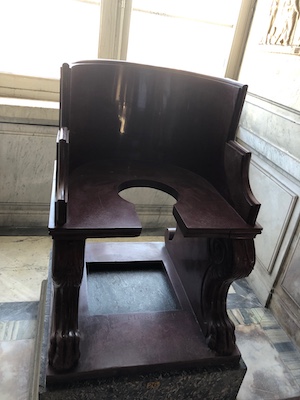
Although it has improved since Covid, there are still toilets that require cash (some without an attendant utilize turnstiles and require coins). The cost ranges from .20P to 1 pound in the UK and .50 cents to 2 Euros on the continent. They should provide change however it might be all in coins.
Need some change to carry for the restrooms? Use your stop at a grocery store to pick items such as bottled water to also get change.
Church or cathedral donations may need cash for the smaller ones. Larger churches have electronic means for collecting donations
Many buses allow ticket purchases via contactless means, but not all. Some only accept cash to purchase bus tickets from the driver
Some urgent care doctors do not have the means to process a credit card transaction. When we went to urgent care it was the first time our doctor used her credit card reader.
If you want to save time or the hassle of money exchanging while traveling, contact your local bank at home to see if they can provide Euros/Pounds before you leave. Not all countries in Europe use the Euro as their main currency. They will probably accept payment in Euros however the exchange rate will not be favorable. Denmark, Switzerland, Czechia, Hungary, Poland, Bulgaria, Romania, Sweden and the UK have their own currency.
🧳 Don’t be Surprised
Foreign exchange offices are a dying business. You may have to rely on ATMs to provide change. It may be wise to keep an eye out for one as you travel.
What Countries use Euros or Pounds?
| Country | Currency |
|---|---|
| France | Euro |
| Germany | Euro |
| Italy | Euro |
| Spain | Euro |
| Netherlands | Euro |
| United Kingdom | Pound Sterling |
| Switzerland | Swiss Franc |
| Czechia | Czech Koruna |
| Poland | Złoty |
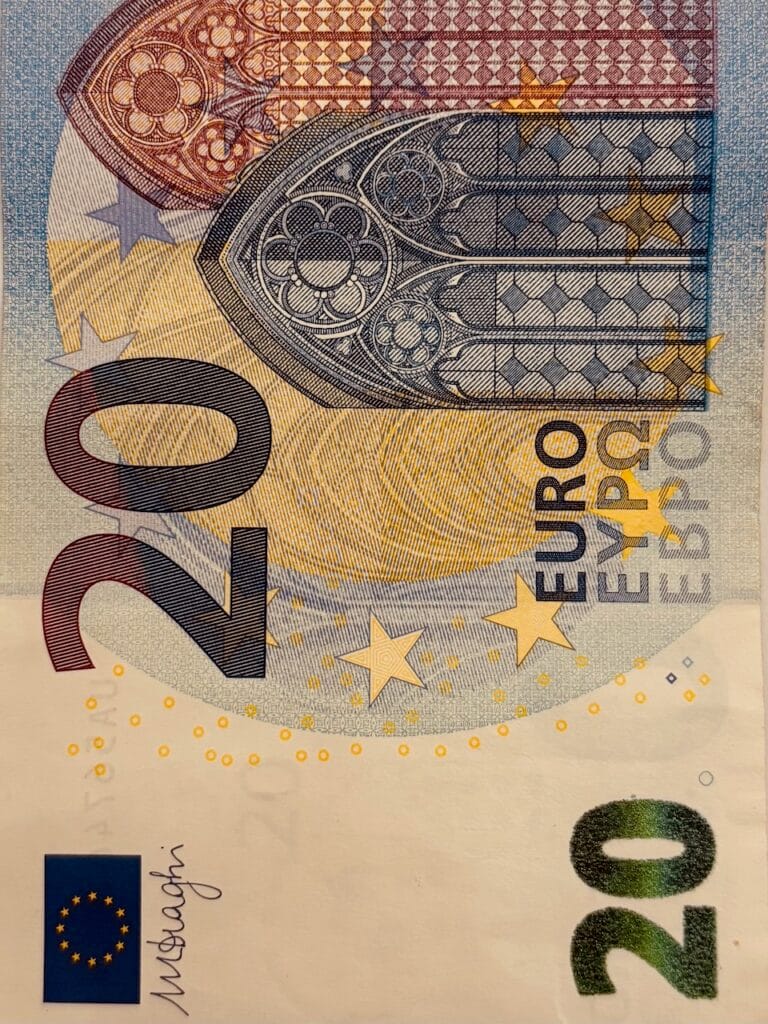
Using ATMs in Europe
- ATMs usually offer competitive exchange rates.
- Avoid dynamic currency conversion.
- Decline the ATM’s offered exchange rate if your bank advises it.
- Use bank-operated ATMs when possible.
Using a credit card in Europe
You may need a PIN to use a credit card internationally. Although you may be able to enjoy your entire vacation without needing a PIN, making purchases from gas stations, some ticket machines, and in some instances credit cards with chips may require a PIN. To obtain one check with your credit card company. Note that a new PIN may be sent via snail mail and therefore take several days – plan in advance.
Tip: If the payment terminal asks whether you want to pay in U.S. dollars or the local currency, choose the local currency (such as euros or pounds). Your credit card issuer will usually provide a better exchange rate than the merchant’s conversion.
Check with your bank or credit card issuer to see whether they recommend submitting a travel notification before your trip.
🧳 Don’t be Surprised
We have occasionally encountered credit card transactions that were declined despite the card working elsewhere. Carrying a small amount of local currency provides a useful backup if this happens. This happened to us getting on a bus. Our card wasn’t accepted and we had to pay for the tickets with cash.
Using Your Credit Card Before Leaving Home
We have had some issues buying train tickets and museum tickets in advance while we were still home. This may be a security measure. You might try using a debit card instead if you have one. We have the ability to purchase items through EBay and that worked for some reason.
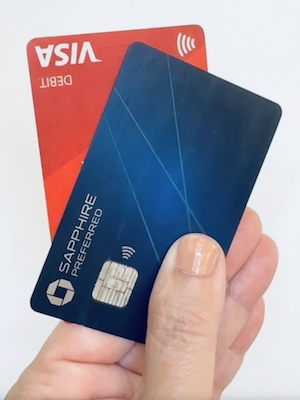
Can you buy Euros with a credit card?
You can use a credit card to obtain Pounds or Euros from an ATM. This transaction often charges cash advance fee of 3-5%. The ATM may also charge a fee for the transaction. Finally, you may incur an interest charge starting the day you receive the funds.
A much cheaper and easier approach is to just use your credit card for the purchases. That is, don’t pay the extra cash advance fees to obtain currency – just charge it. Remember to always select “pay in local currency” rather than have it converted to your home currency because the conversion rate offered by your credit card are much more favorable.
Simple Ways to Save Time When Paying
Paying with cash consumes a lot of time both exchanging money and actually paying the bills. Tracking down money exchange sites is not a fruitful sightseeing activity. Since Covid, much of Europe is set up for touchless transactions including the waiters in restaurants. They come right to your table and process your bill as you wait.
Keeping Your Money Safe While Traveling
- Credit cards are much safer
- Don’t display large amounts of cash
- Keep track of your card
- Leave unnecessary cards at home
- Keep wallet with cards in front pants pocket
- Carry two different credit cards if possible.
- Keep a backup card in a separate location.
- Use contactless payment whenever available.
- Monitor transactions during your trip.
- Have your bank’s international phone number saved.
Frequently Asked Questions
- Can I buy euros with a credit card?
- Yes, but it can be expensive
- Can I use my credit card in Europe?
- Easily, although there are a few instances where it won’t be accepted
- Should I bring cash to Europe?
- You probably will need at least a few Euros or Pounds
- Is it cheaper to use a credit card or cash?
- Generally, if your credit card doesn’t charge a transaction fee will give you a better exchange rate
- Should I exchange money before I leave?
- It’s not necessary but probably a good idea to have some Euros or Pounds on hand. Money exchanges are few and far between. ATM’s are not all that common in the tourist areas.
Continue Planning Your Trip
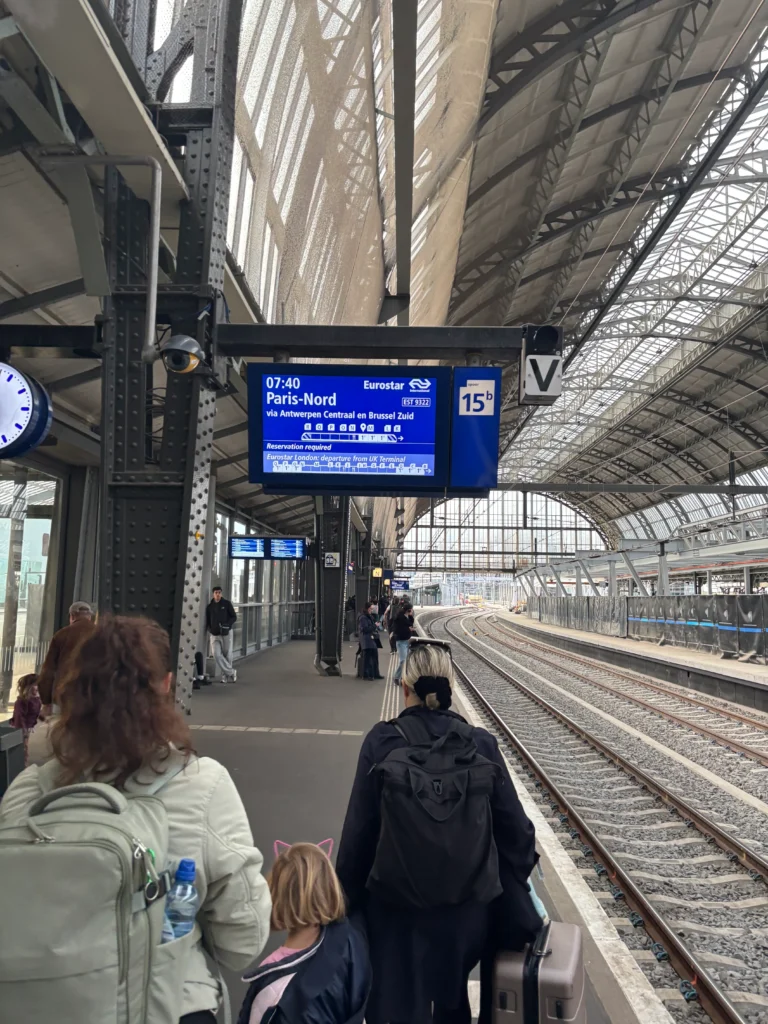

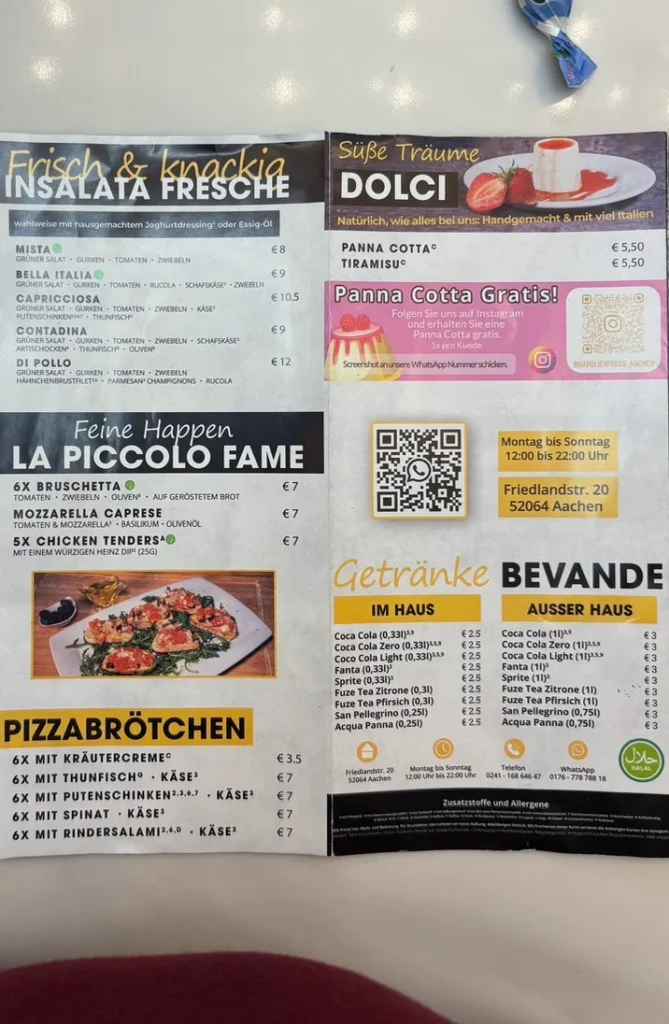

Continue Planning Your Trip
Return to Prior Page