
Senior Travel in Europe: What to Know Before You Go
Can you afford to arrive at your hotel in Europe only to discover you can’t manage the stairs? Are you surprised that you packed the wrong shoes? Nobody tells you what traveling in Europe is really like for older adults. We’re here to help you prepare before you leave home.
Finding Senior Discounts in Europe
- Similar to North America
- Some trains offer to 60+
- Many independent hotels and chains offer unadvertised senior discounts. Always ask when booking or checking in, and mention age 60+ or 65+
- You need to search/check for the discount
- Almost all major European cultural sites (like the Louvre in Paris or the Colosseum in Rome) offer reduced-rate tickets for seniors
Walking in Europe
Older adults without mobility issues should be fine traveling all over Europe. Younger, active adults will do great!
Choosing the Right Shoes
- pavement – gets hot in summer and icy in winter: both are fatiguing and dangerous
- cobblestones – shoes with heels are a risk for falling or twisting ankles
- stairs – they are everywhere; elevators and escalators: not so much.
- long days – it’s easy to rack up several miles walking
- sandals – think very hard about wearing them
- broken-in walking shoes – emphasis on the broken-in part.
Pace yourself!
- Your days will be long and tiring. Pace yourself for the long run – don’t burnout on the first few days
- Utilize public transportation – it’s easy, fast and convenient. We take it all the time and if we can do it so can you.
- Don’t overbook your days. For us, the days of forced marches across Europe with the kids trying to see everything we possibility could in the few days we had are over. We now schedule one event or activity per day and then leave the rest of the day open for whatever comes up.
- Spend a couple hours sitting in a cafe relaxing – it’s very European!
🧳 Don’t be Surprised
It is easy to walk much farther than expected. Don’t over do it!
Jet Lag
- Unfortunately this is much harder on us than the younger crowd
- Don’t jam pack your schedule the day you arrive – we made this mistake after flying in to Amsterdam we dropped off our luggage and immediately headed for the tulip displays. We managed but it was difficult.
Traffic patterns are different in Europe and the UK.
In the UK it is common knowledge that cars drive on the other side of the road compared to North America. People stepping out into traffic is so dangerous that London has painted directions on the curbs for pedestrians to “Look Left” or “Look Right”.
In North America pedestrians assume they have the right away. While this rule generally applies in Europe as well you may run into instances where adherence is a bit liberal. Be careful stepping into traffic.
Accessibility and Navigating Stairs and Uneven Surfaces
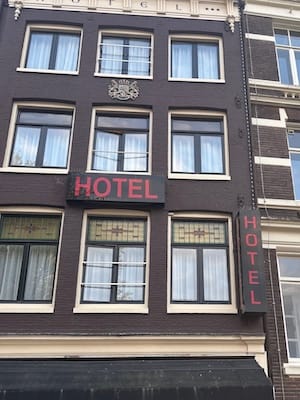
- Many hotels do not have elevators.
- Many train stations also do not have elevators
- Not all stations have escalators, it is common for them to only have one which probably moves up or down depending on the degree of foot traffic.
We have actually seen a station where both the up and down escalator were not working – non-functioning escalators are as common in Europe as they are in North America.
Cobblestones
- Common throughout Europe
- Can be a fall hazard
- Wear proper shoes.
Watch for Bicycles — They're Everywhere
- Watch for them
- bike lanes are not always clearly marked.
- The right away for pedestrians is not always observed.
We were shocked in Amsterdam. There are bicycles everywhere, moving very fast. We often found ourselves standing in the middle of the lane without realizing it while they zoomed around us. We found that the first step forward, whether off the curb or across a bike lane was a risk due to the speed of the bikes.
🧳 Don’t be Surprised
We crossed an intersection that included a two-way bicycle lane, then a four lanes for cars along with street car tracks. Mixed in with all of this was a lot of pedestrian traffic.
Unwittingly you will find yourself in the middle of a bike lane with speeding traffic all around. In some instances bike riders pay less attention to pedestrians and cut in and out of their path. Treat bikes with much more respect in Europe than you would normally in North America.
Public restrooms can be difficult to find.
There are Apps that may help guide you to one nearby, however having tested two of the more popular apps in Europe, as of spring of 2026, our opinion of these apps is that they are not quite up to the task yet. Several times we were standing in front of a public restroom or a train station that had a restroom and neither app listed them. As these apps gain popularity their data will improve. Our recommendation is to have a couple of these apps on your phone. One of them might show a restroom in your vicinity. When you need to go this can be a life saver. Also, we suggest searching for “Public toilet near me” on your gps app.
Many of the chain restaurants found in North America that you would expect to have a restroom available will also have one in Europe. Local restaurants, train stations, department stores may also have one. Expect to either purchase something or pay to use it.
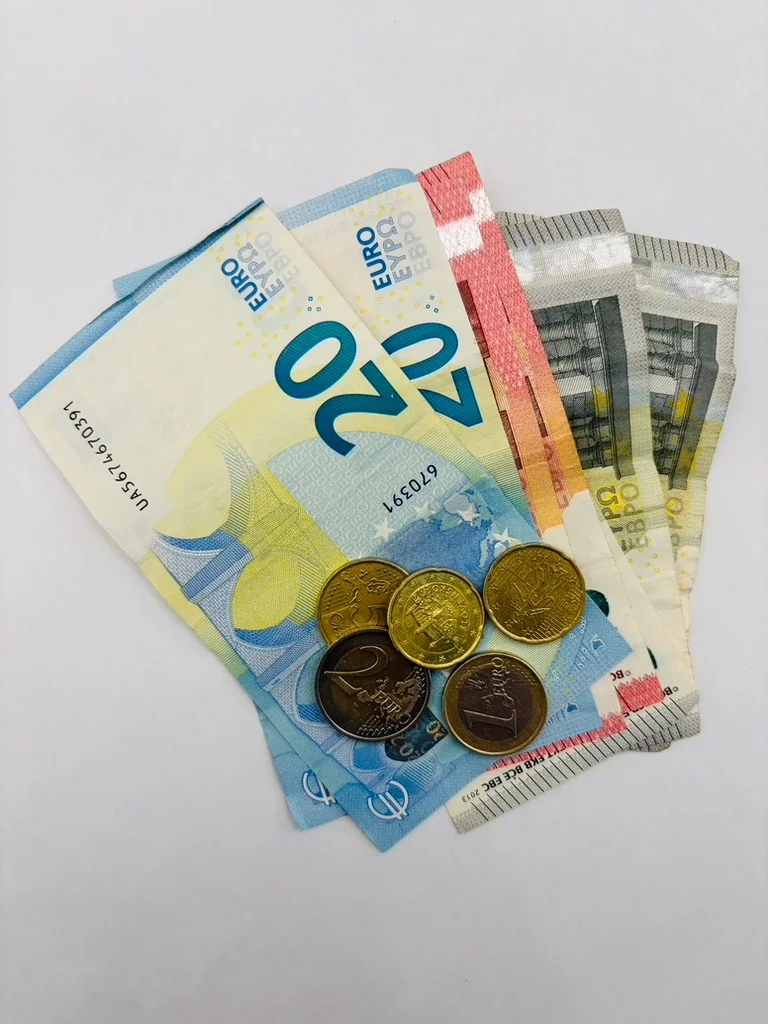
Although it has improved since Covid, there are still toilets that require cash (some without an attendant utilize turnstiles and require coins). The cost ranges from .20P to 1 pound in the UK and .50 cents to 2 Euros on the continent. Many take credit cards. They also provide change, however it may return only coins.
Should you sign up for tours?
This depends on five things:
- Are you concerned about traveling in Europe and would like someone to help guide you around? Then a package tour that takes you to key sites might be perfect.
- Do you enjoy having someone describe items of interest in a group setting? If so, tours can be a fun way to experience a site or exhibit.
- If you are short on time, tours are a great way to avoid standing in line for an attraction because many of them can bypass the entry lines.
- Do you have mobility issues, or a family with small children? If so, check how much standing and walking are involved. Some tours are very strenuous, even involving some hiking. Make sure you are physically able to keep up with the group.
- If there are no more tickets available for the general population then tours may be the only way to get in.
Do not underestimate the toll of the weather
- Both winters and summers can be very harsh.
- Many attractions, such as the Louvre, require standing outside in line waiting to get in. Summer heat or winter cold is very risky
- Hydration is key during hot weather
- Avoid sun-stroke
🧳 Don’t be Surprised
The amount of time you will spend outdoors, either in the sun or in the cold, is much greater than you would anticipate. Watch your health accordingly.
You're tired of walking but not ready to go back to the hotel. Try this!
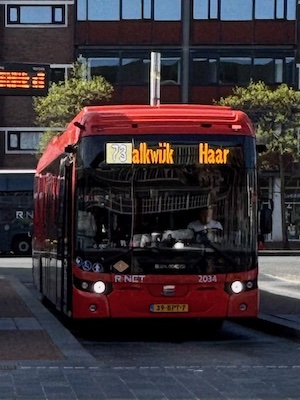
An internet search for “which public bus line in Berlin Germany for sightseeing” (substitute your location for Berlin). This should give you the number of the public bus line that passes many of the local spots of interest and from there you can determine where to catch it. Riding through an unfamiliar city may show you things in the surrounding area that you had not been aware of.
In particular we enjoy riding the double decker buses in London. They offer a great view on the second deck near the front. A great way to continue to see the city and take a bit of a rest at the same time.
Things to know about your hotel before you go
- Check for elevators
- Verify a 24×7 attendant
- Are there steps from the outside that must be negotiated to gain entrance to the hotel?
- Is the hotel safe?
- Is the area surrounding the hotel on steep terrain that is difficult to walk on ?
- Air Conditioning?
- Showers with grab rails
Packing for Comfort
- Good walking shoes.
- Compression socks.
- Refillable water bottle.
- Small umbrella.
- Lightweight rain jacket.
- Medications.
- Portable phone charger. If your devices are newer and use USB-C type connecters be certain to bring a USB to USB-C cable if you want to charge your devices on the plane. Most planes have not transitioned from older connectors
Healthcare for Older Travelers
Most travelers never need medical care in Europe—but if you do, there are several important differences from North America.
These include:
- Paying for treatment before leaving the clinic
- Using generic medication names instead of brand names
- Understanding Medicare and travel insurance coverage
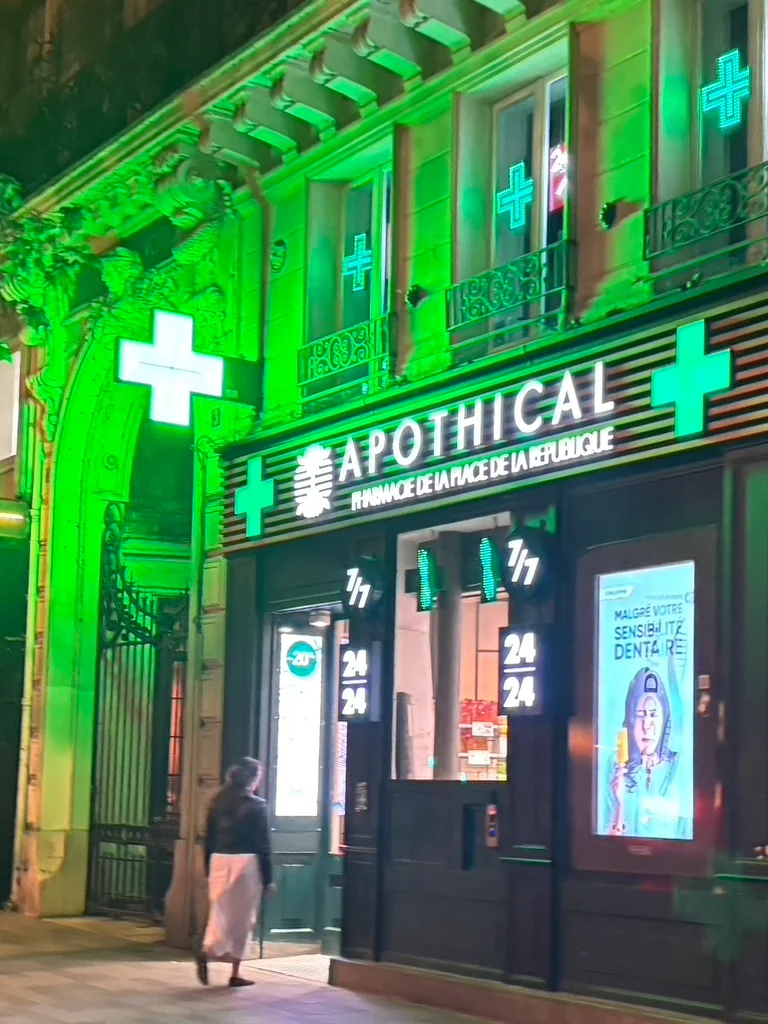
- Finding pharmacies and urgent care
See our complete guide: Healthcare and Health Insurance in Europe.

Related Guides for Older Travelers
Return to Prior Page