Food and Drink in Europe: What Will Surprise You
Do you hate surprises when ordering food? Can’t start your morning without coffee? It’s hot outside and all you want is a cold soda with ice—but that’s not always what you’ll get in Europe.
Every country has its own food traditions and dining customs. Some will feel familiar, while others may catch you by surprise. We’ll explain the everyday differences you’re likely to encounter—from sparkling water and coffee to restaurant customs and grocery shopping—so you know what to expect before you go and can enjoy your trip with fewer surprises.
Water. Yes, water is different.
Bottled Water
- Sparkling water
- Still water
- Check the label
- Ask the cashier if you’re unsure
Because we have found the labels annoying to translate we usually ask the cashier if the bottle we picked up is sparkling or still.
Restaurant Water
- Usually bottled
- Usually not free
- Sparkling or still?
- Tap water availability varies by country and restaurant
Finally, ice is not nearly as common in Europe. You may not get any when your water arrives.
European Grocery Stores
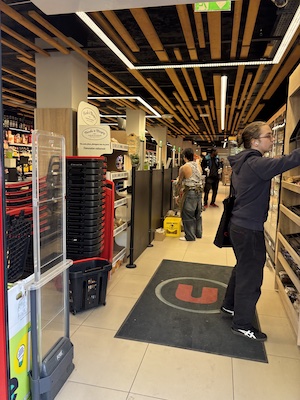
Stop at a grocery store on your way back to the hotel, unless you want to carry your items around with you. Along with any munchies, consider stocking up on bottled water which is usually much cheaper in the store than a tourist shop. Also, this is a good opportunity if you need change to carry for pay toilets. If your plans include doing a quick load of wash then look for laundry soap. If you are making coffee in your hotel room and want something similar to half and half you might be in luck. Also, if you need sunscreen you should pick some up because it can be difficult to find in the tourist areas and it should also be cheaper.
Coffee Culture: It's Different Than You Expect
Can you get a cup of coffee?
Yes, but probably not like you are used to having. Standard drip coffee that North America drinks can be harder to find in Europe. Some places may have filter coffee available (ask for filter coffee specifically) — we’ve seen it on the menu listed as Filter Coffee, but not often.
Note that you will see Cafe Americano listed on many menus, however this is not an American style coffee. It is an espresso shot in hot water.
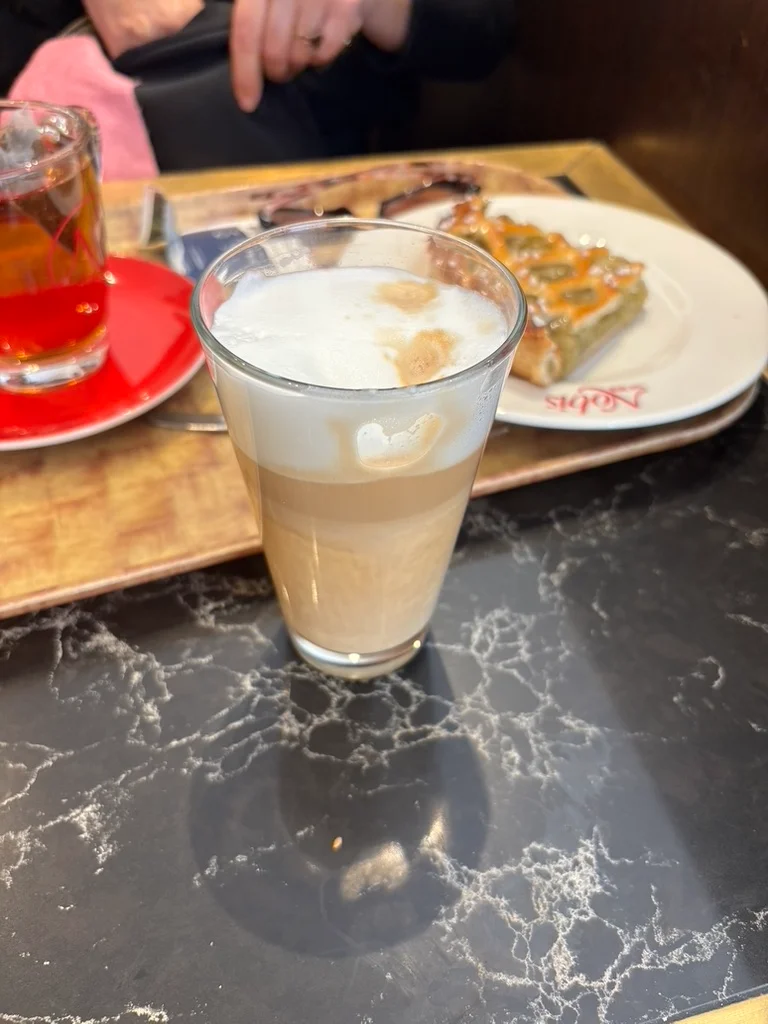
A typical coffee drink in Europe is espresso, latte, cappuccino, Americano, etc.
🧳 Don’t be Surprised
If you order a coffee to go that it comes in a much smaller sized cup. Also, it’s not the norm for Europeans to not drink their coffee at the bar or sitting in the cafe
Also be aware that cream or half and half is generally not available in cafes. Milk is most likely the closest substitute. If you are making coffee in your hotel room you may find something like crème liquide in France, kaffesahne in Germany, etc. in grocery stores.
In larger European cities you will find Starbucks. We checked several Starbucks menus and did not see filter coffee listed. Also expect differences in menu options and fewer of the more exotic drinks.
Our normal coffee drink is a medium roast with half and half. We don’t expect to be find filter coffee available so we either order a cappuccino or, if we don’t want that much milk we order an Americano with milk (not steamed) added.
Common coffees in Europe
- Espresso – made from the same coffee beans as regular coffee except it is much more concentrated and served in shots.
- Cappuccino – Espresso combined with steamed milk and a thick layer of milk foam
- Latte – Espresso mixed with a larger amount of steamed milk and a thin layer of foam
- Flat White – made with a double shot of espresso and steamed milk
- Americano – Espresso diluted with hot water
- Filter coffee – standard drip style coffee common in North America
Soft Drinks and Ice
If you order a soda and it comes in a can that is room temperature. You may, or may not receive a glass of ice.
🧳 Don’t be Surprised
We start planning our trip roughly six months or more in advance to be certain to get the best ticket prices, reservations and hotel selection
Small, neighborhood grocery stores which are often near your hotel do not have a lot of refrigerator storage. Hopefully they will have bottled water cooling but possibly no soda.
American fast food chains are your best bet when you want a cold drink that you are familiar with. Since we are discussing food and drink along with fast food chains it should be noted that you might find the burgers taste slightly different than back home. This may be due to them sourcing the beef from somewhere else. We’ve never experienced a significant difference in Europe, whereas many years ago we did while traveling in Asia.
Many Europeans drink:
- mineral water
- sparkling water
- fruit juices
instead of large sodas.
How do I find a great place to eat?
You are out and about, in the middle of a crowded tourist area and realize you are hungry. There are a few restaurants around but none of them are really crowded. How do you pick a good one?
In tourist areas, crowded places are not necessarily the best ones around. Remember, everyone else are tourists and don’t know where to eat either. So a crowd might just mean a cute place, convenient location, or the herd followed each other to this place.
A great way to get some intelligence on the local eateries is to do an internet search for “restaurants near me” or, if you desire a specific type of food, “Greek restaurants near me”. The results of the search will show restaurants in the neighboring area with ratings and reviews. Look for places with high ratings and a lot of reviews.
When Europeans Eat
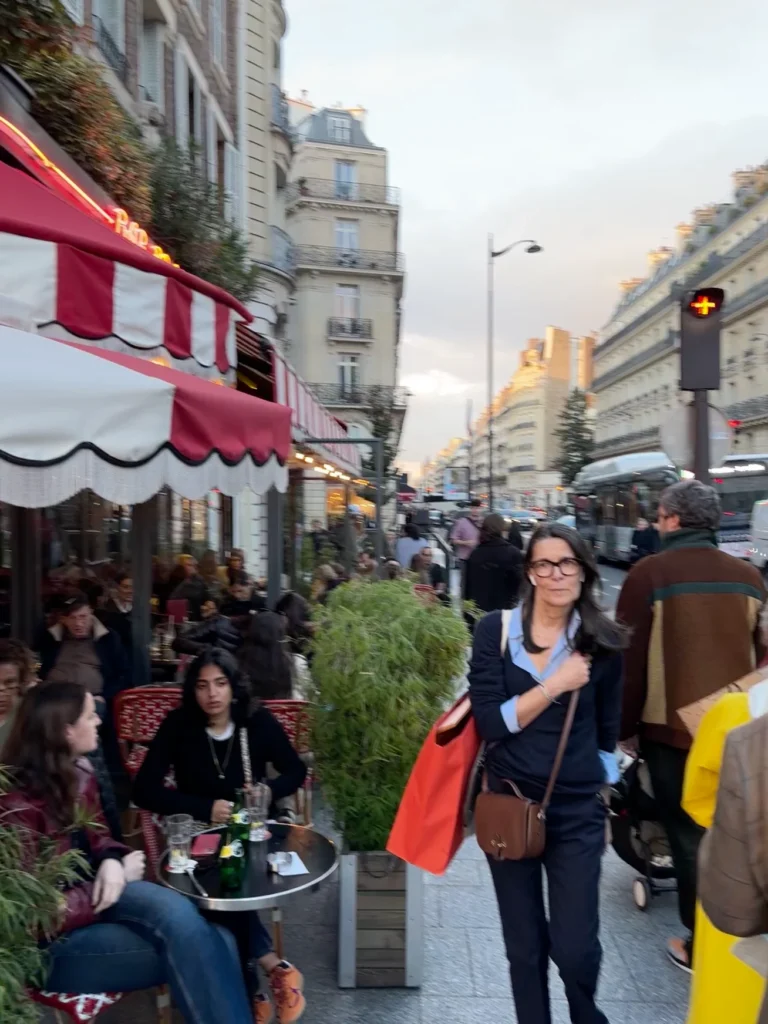
- Lunch may end around 2:00–2:30 p.m.
- Dinner often starts later than in North America.
- Some restaurants close between lunch and dinner.
Restaurant Etiquette
Be prepared to pay for water. It is possible to ask for tap water however some places may still charge a small fee for the service. Also, be ready to indicate whether you want sparkling water or still water.
Tipping customs vary by country. In many places, rounding up the bill or leaving a small tip is appreciated, while in others a service charge may already be included. It’s worth checking the local custom before your trip.
Avoid restaurants where someone stands outside trying to convince you to eat there. It’s usually a sign of a tourist trap.
Dining in Smaller Towns and Rural Areas
Restaurants cater to their clientele. In regional areas away from the metropolitan centers they may draw more customers from the local area than from international locations. As a result, their food offerings are more geared towards the tastes of the local population.
This can be both good and bad. If you are adventurous or a fan of the local cuisine then you are set. If, however, the tastes does not appeal to you, then you may have a problem.
We encountered this while traveling near the German border in northern France. This little villages we were visiting were very big on Flammekueche, which is a pizza or flatbread-like Tarte Flambée with a sour cream sauce. For some reason we couldn’t get enthused about the sour cream base. Unfortunately that almost completely eliminated our options.
🧳 Don’t be Surprised
If you are concerned about the food served in an area where you plan to be try an internet search for something like: what is the most common food served in restaurants in ribeauville france
British Pub Food
It used to be that food in British pubs consisted mainly of a variety of meat pies. In the last few years this has changed dramatically. We’ve had some of the enjoyable meals while traveling in pubs recently. It has changed so much that the last few times we ate in a pub we looked at the menu specifically for meat pies. Sometimes there was one, sometimes they didn’t offer any.
What to Expect for Breakfast
European breakfasts, particularly in the smaller, boutique hotels, are often not the bacon, eggs, pancakes and waffles that North Americans expect. Most likely your breakfasts will be more along the lines of:
- Continental breakfast
- Smaller breakfasts
- Bread
- Cheese
- Yogurt
- Cold cuts
- Coffee
Continue Planning Your Trip
Return to Prior Page